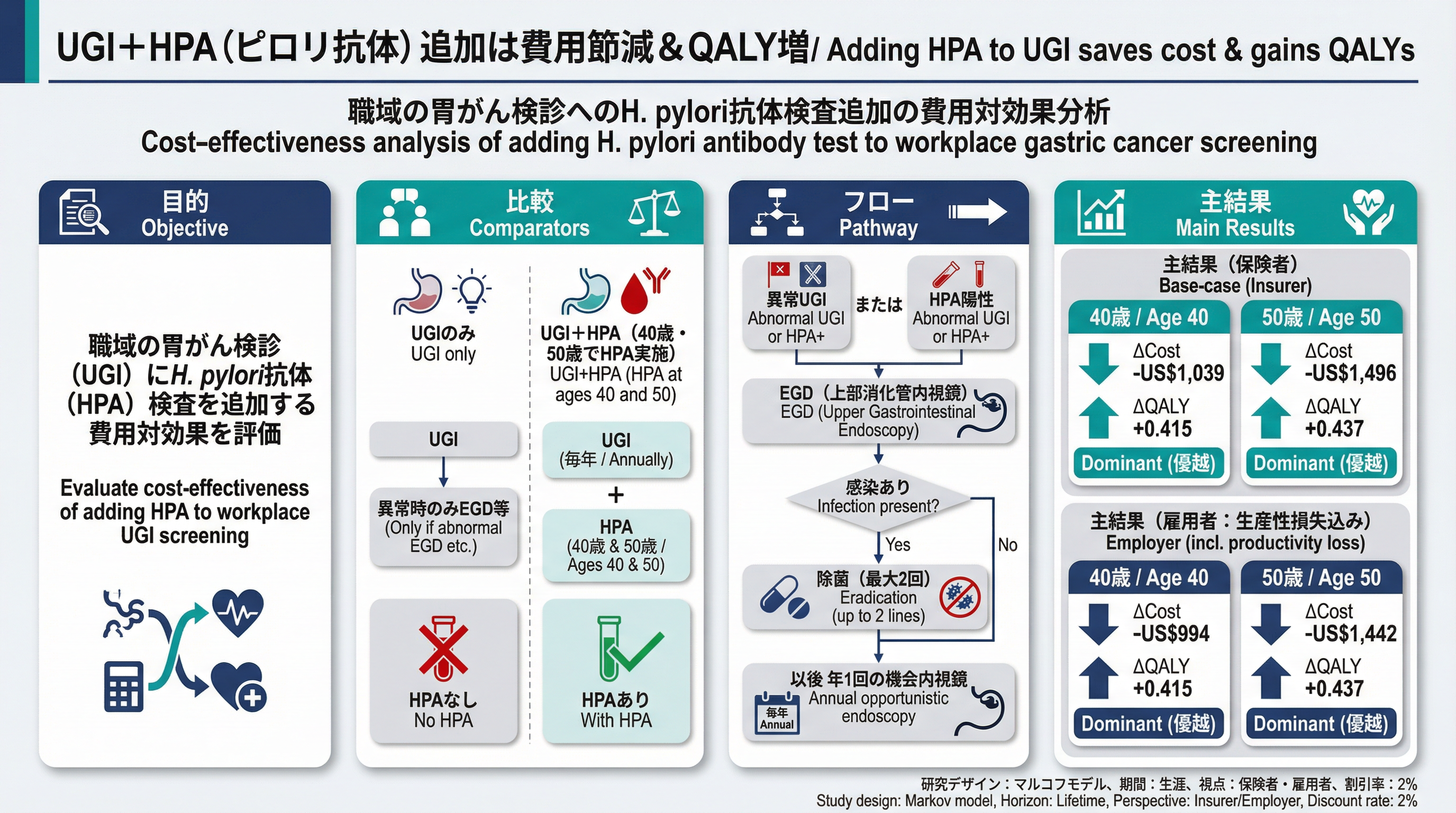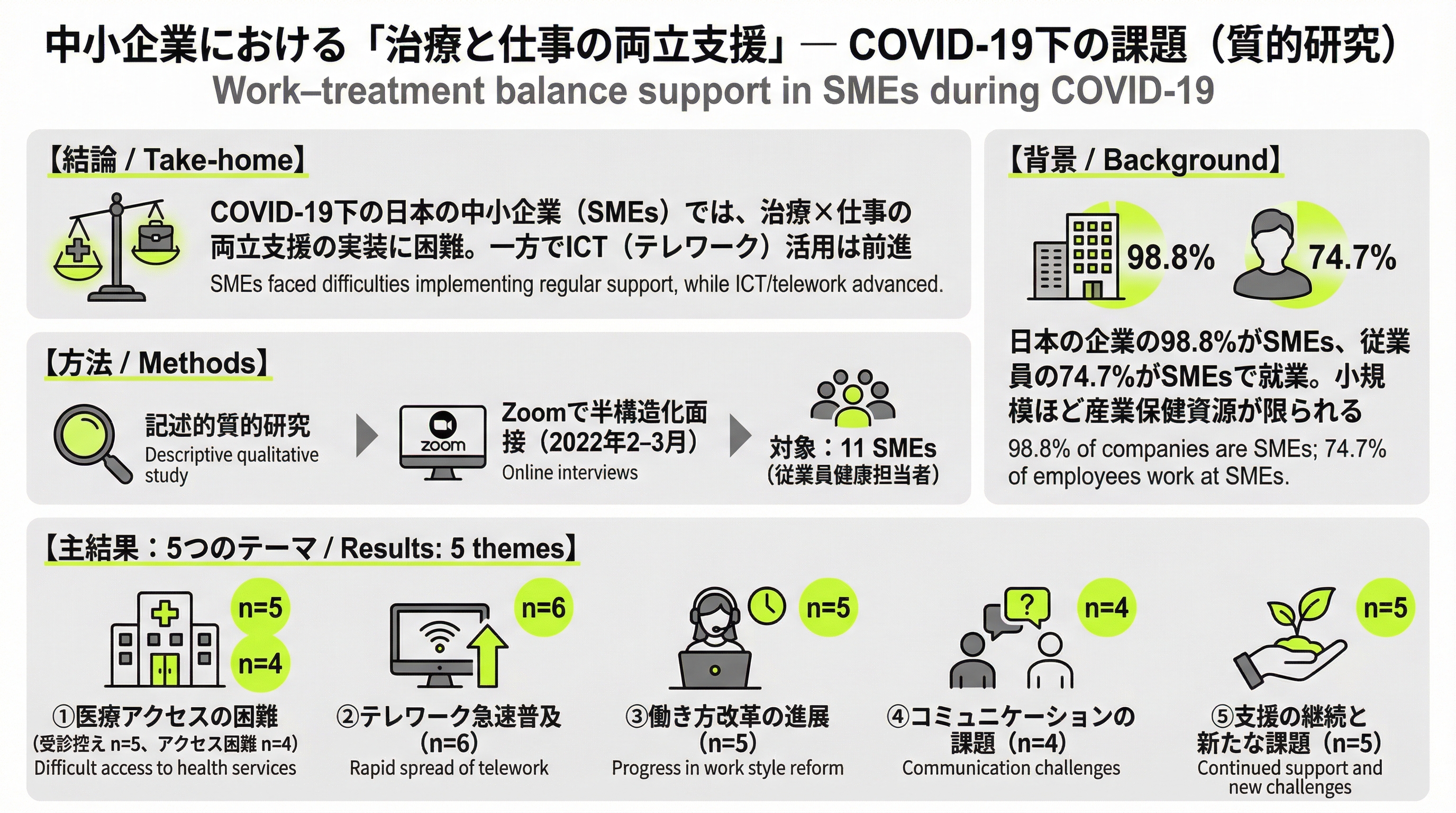
#E0090 Coalmen and firemen in brick kilns in Nepal report more respiratory symptoms than green and red brick moulders, stackers and carriers.

Coalmen and firemen in brick kilns in Nepal report more respiratory symptoms than green and red brick moulders, stackers and carriers.
Nepal has 1,100 brick kilns that produce up to 50,000 bricks daily. Brick kiln workers are more likely to have respiratory illnesses because they inhale brick dust that contains silica and cancer-causing poisons released during brick firing using coal and sometimes rubber tires. Brick kilns produce up to 28% of the fine particulate matter in the air that can enter the human air passages.
Brick making from clay is involves green brick moulding (GBM), green brick stacking/carrying (GBS/C), coal preparation (CP), firing (FM) and red brick loading/carrying (RBC/C); states also described as social exposure groups, SEGs. The authors estimated the burden of respiratory symptoms/illnesses among brick 390 kiln workers (men and women) of different SEGs in Nepal who were working at 10 brick kilns in Sarlahi District, where most brick kilns are found, and had to have worked at brick kilns for at least one year, from November 2022 to April 2023.
Most workers were male, aged 38 years, did not smoke, had not been to school and were GBM that had been working 10 hours daily for the past 4 years. One sixth of all workers had chronic cough (symptoms for at least 3 months a year for two consecutive years), chronic phlegm (cough with mucus production), or chronic bronchitis (both chronic cough and chronic phlegm). One tenth had wheezing (whistling sounds during breathing), and one twentieth had asthma (two or more attacks of shortness of breath with wheezing in the past 2 months or having been told by a doctor that they suffered from asthma).
Fewest symptoms were present among the green brick moulders and stackers whose exposure to dust particles is reduced as green brick materials are kept wet. Coalmen and firemen had the most symptoms due to direct exposure to small particles of dust generated from coal, clay, and wood. Symptoms of chronic cough among coalmen were present regardless of their ages, whether they smoked and how long they had worked in the brick kilns.
Red brick carriers/layers reported more symptoms than GMB but less than coalmen and firemen due to their risk of breathing in airborne particles from smoke and dry dust. Brick kiln workers in Nepal do not undergo health checkups, nor have health insurance, nor personal protective equipment.
The researchers suggest that improving the work environment and providing personal protective equipment could help reduce the risk of respiratory problems among brick kiln workers. The Ministry of Industry and Labor should provide worker training, improve the work environment, and reduce air pollution from the brick industry via improved technology.
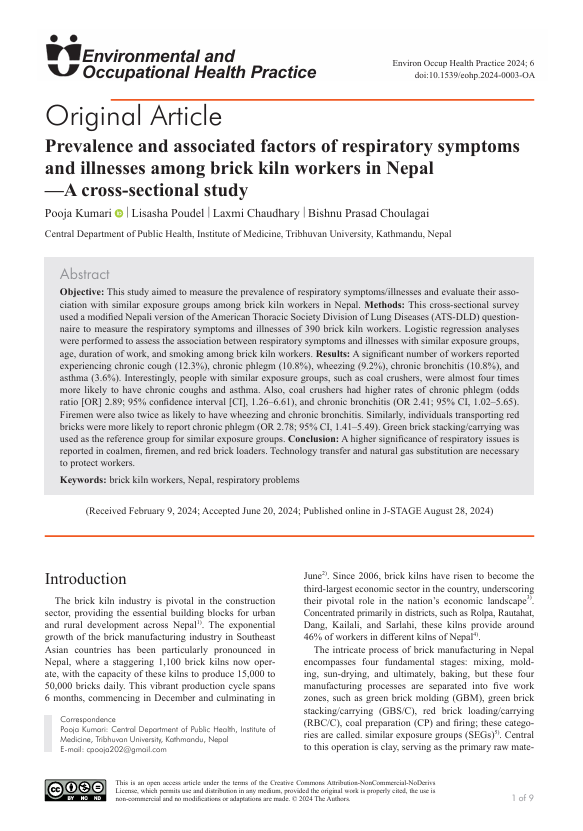
Link to original journal article:
https://www.jstage.jst.go.jp/article/eohp/6/1/6_2024-0003-OA/_pdf/-char/en
Title of the paper:
Prevalence and associated factors of respiratory symptoms and illnesses among brick kiln workers in Nepal —A cross-sectional study
Authors:
Pooja Kumari, Lisasha Poudel, Laxmi Chaudhary, Bishnu Prasad Choulagai