#MR004 Why Do Tiny Fibers Cause Deadly Cancer? Unraveling the Mystery of Asbestos
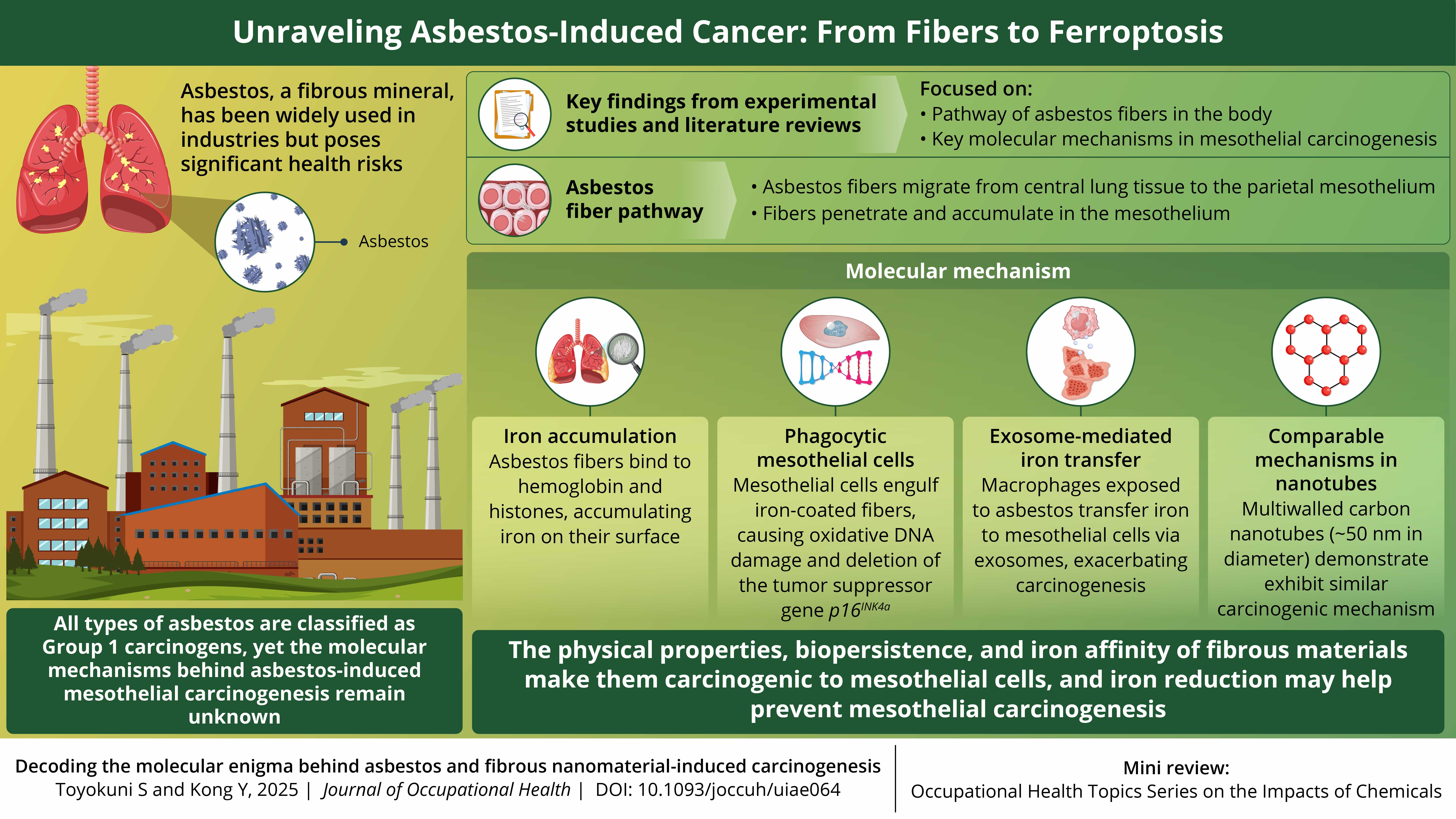
Why Do Tiny Fibers Cause Deadly Cancer? Unraveling the Mystery of Asbestos
For decades, asbestos was widely used in buildings, ships, and industrial materials because of its remarkable heat resistance and durability. Yet by the mid-20th century, doctors began noticing a disturbing pattern: people exposed to asbestos were developing mesothelioma, a rare and aggressive cancer of the lining of the lungs. The link was clear—but one question remained unsolved for many years: how do microscopic fibers trigger cancer in the human body?
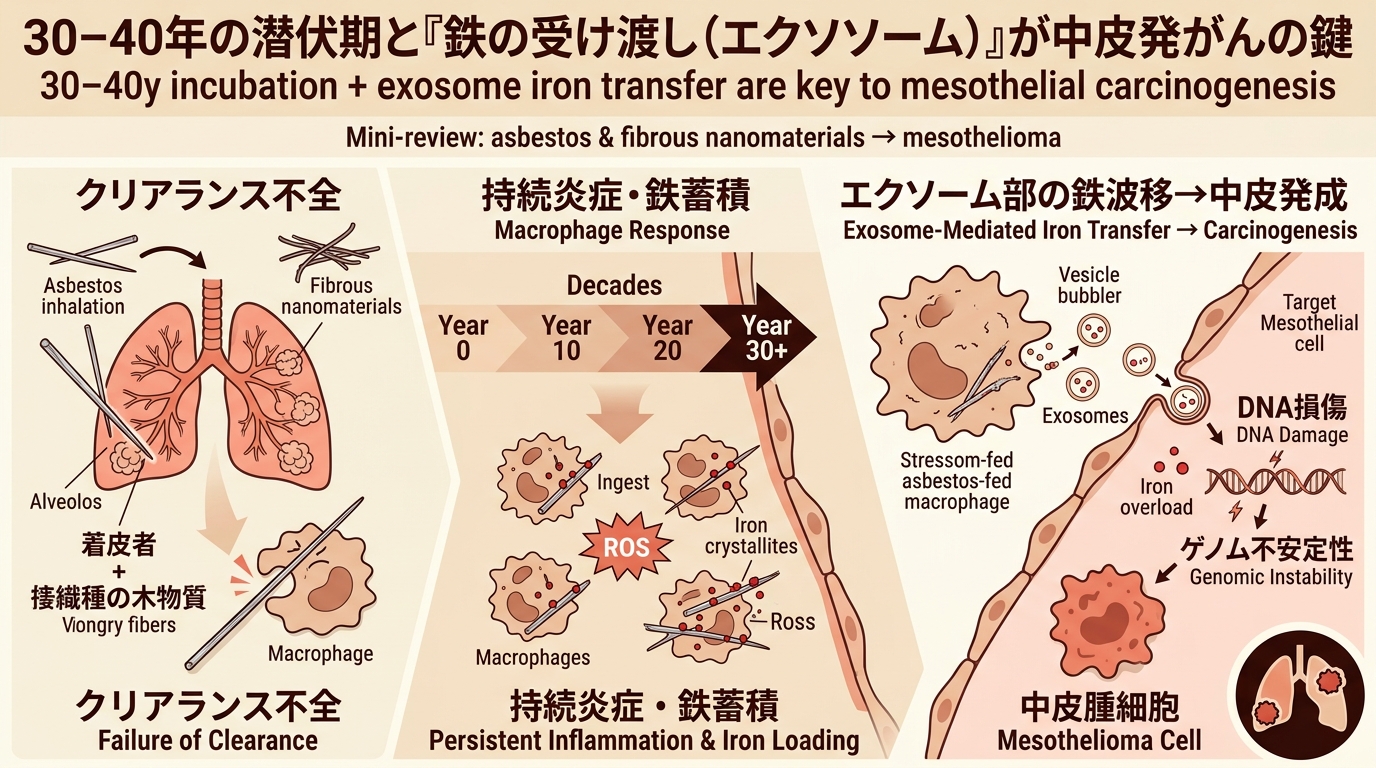
This review explores the molecular mechanisms behind this long-standing puzzle. Research has shown that asbestos fibers can travel deep into the lungs and gradually reach the mesothelial cells that line the pleura. Because these fibers are durable and remain in the body for decades, they persistently irritate surrounding tissues. Over time, they accumulate iron on their surface, which promotes the generation of reactive molecules that damage DNA. Such oxidative damage can lead to the loss of key tumor-suppressor genes, including p16, a change frequently observed in mesothelioma.
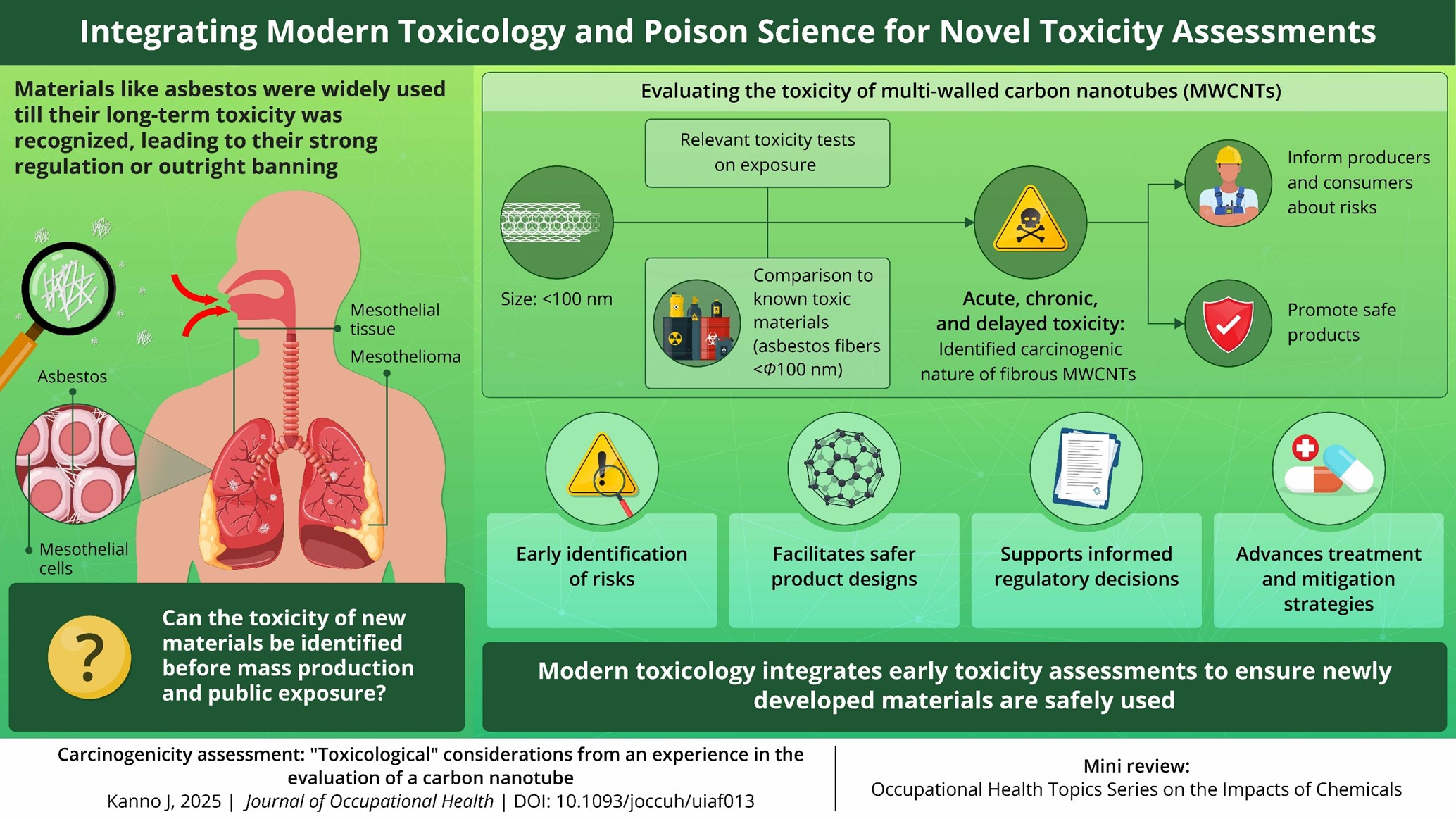
Recent studies have revealed additional layers of complexity. Immune cells that ingest asbestos can release exosomes—tiny biological packages—that transfer iron and harmful signals to neighboring mesothelial cells. These processes amplify cellular stress and further promote carcinogenesis. Similar mechanisms may also apply to certain modern fibrous materials, such as carbon nanotubes, raising important questions about emerging technologies.
Understanding these molecular events is more than an academic exercise. By clarifying how fibrous materials initiate cancer, scientists can better evaluate the safety of new industrial materials and design strategies to prevent disease—such as reducing iron-mediated damage in exposed tissues.
The story of asbestos reminds us that the most dangerous hazards are often invisible. Decoding these mechanisms is a critical step toward protecting workers today and preventing the occupational cancers of tomorrow.
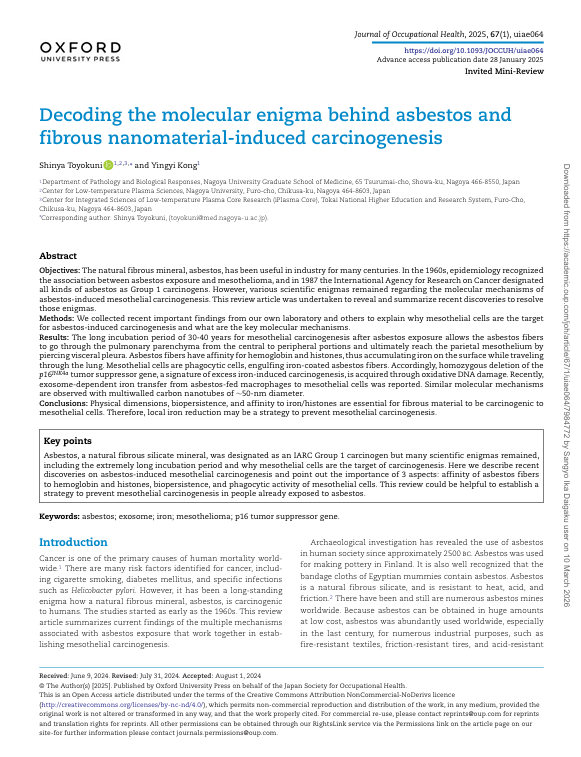
Link to original journal article:
https://academic.oup.com/joh/article/67/1/uiae064/7984772?searchresult=1
Title of the paper:
Decoding the molecular enigma behind asbestos and fibrous nanomaterial-induced carcinogenesis
Authors:
Shinya Toyokuni and Yingyi Kong