Latest articles

#0052 COVID-19 and ophthalmology: An environmental work hazard

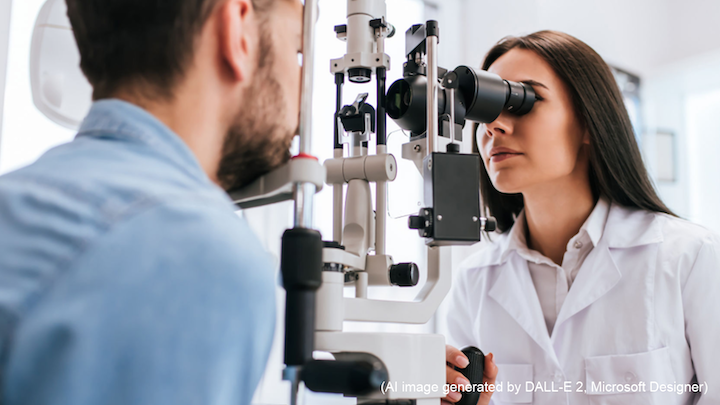
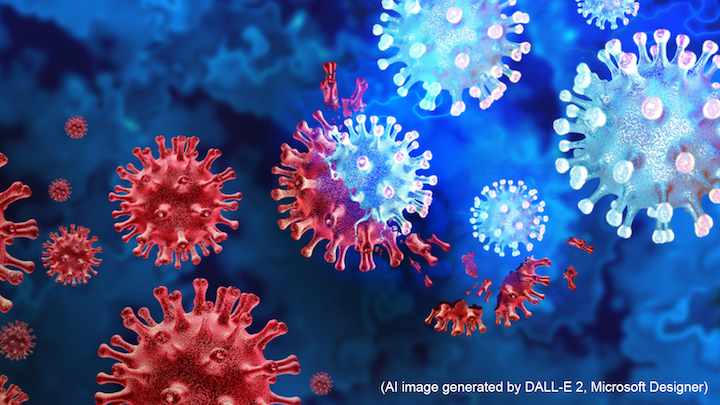
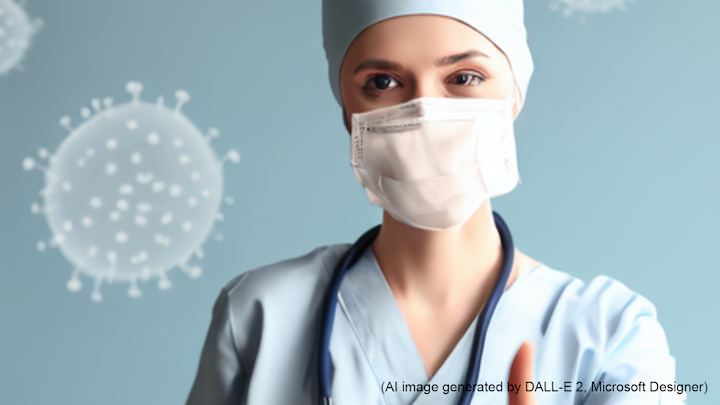
Keeping an Eye on the Occupational Hazards of Covid-19 in OphthalmologyConjunctival congestion or conjunctivitis can be a symptom of Covid-19. It was prevalent in 0.8% (1,099) of the initial cases confirmed in China. The SARS-CoV-2 virus has also been found in the secretions of patients with conjunctivitis. This is of great concern to ophthalmologists, who routinely come in close contact with patients and must be wary of the increased occupational risk of ocular transmission. It is a little-known fact that Dr. Li Wenliang, who first alerted Chinese officials regarding Covid-19, was a young ophthalmologist who succumbed to respiratory failure a month after exposure to a conjunctivitis patient with Covid-19.Ophthalmologists know that many systemic viral infections have ocular manifestations. Tears and ocular secretions may contain highly contagious pathogens like the human immunodeficiency virus or hepatitis C. The human coronavirus NL63 (HCoV-NL63), too, was first observed in a 7-month old child from the Netherlands who had conjunctivitis and bronchitis. Hence, it is possible that patients visiting ophthalmologists are already infected by the SARS-CoV-2 virus.Although research is lacking on whether SARS-CoV-2 is present in convalescent patients or whether tears are infectious, it is probably best if the ophthalmologists take precautionary measures to reduce the risk of occupational hazards. For instance, ophthalmologists could wear “M3G” protective equipment (mask, gown, gloves, and goggles), especially when examining two particular groups of patients: those who show symptoms of upper respiratory infection, and those who recently travelled to a high-risk area or were in contact with people with confirmed Covid-19. They could use alcohol-based sanitizers and wash their hands regularly to maintain hand hygiene. They could also use sterile cotton tip applicators while manipulating eyelids and ocular tissues in routine practice.Additionally, ophthalmologists could adopt screening measures before meetings with patients. For instance, two hospitals in Hong Kong used infrared thermometers to screen all patients at the entrance. They used questionnaires to gather information on their patients’ occupations and recent travel histories. Patients were also screened for symptoms of respiratory infection or acute conjunctivitis. Appointments that were deemed risky after these investigations were postponed by at least 14 days. All non-urgent appointments were also postponed as a precautionary measure.“Social distancing” is not an option for ophthalmologists, who, by nature of their practice, must come in close contact with their patients. Hence, they must do all they can to counter the risks of occupational hazards to prevent them from becoming lethal and to save as many lives as possible. 

#0051 An analysis on the relationship between safety awareness and safety behaviors of healthcare professionals, Ankara/Turkey

#0050 A systematic review of the effectiveness of employer-led interventions for drug misuse

#0049 Psychosocial impact of COVID-19 for general workers

#0048 Author Reply to “A randomized clinical trial for neck pain among adults”

#0047 Psychosocial and occupational factors associated with low back pain among nurses in Saudi Arabia

#0046 Occupational health responses to COVID-19: What lessons can we learn from SARS?

#0045 Concealment of trauma and occupational accidents among Fukushima nuclear disaster decontamination workers: A case report

#0044 The association of leisure time physical activity and walking during commuting to work with depressive symptoms among Japanese workers: A cross-sectional study

#0043 Association between extremely long working hours and musculoskeletal symptoms: A nationwide survey of medical residents in South Korea

#0042 Exercise training reduces workload, improves physical performance, and promotes overall health in welders

#0041 Exploratory study of brain waves and corresponding brain regions of fatigue on-call doctors using quantitative electroencephalogram

#0040 Letter to the Editor: A randomized clinical trial for neck pain among adults

#0039 Work-related injuries and illnesses and their association with hour of work: Analysis of the Oregon construction industry in the US using workers’ compensation accepted disabling claims, 2007-2013

#0038 Shift work and migraine: A systematic review

#0037 Size of company of the longest-held job and mortality in older Japanese adults: A 6-year follow-up study from the Japan Gerontological Evaluation Study

#0036 Prevalence and molecular epidemiology of CMV and EBV among nurses working in pediatrics, transplantology, and primary health care

#0035 The associations between anxiety/depression and plasma chromogranin A among healthy workers: Results from EHOP study

#0034 Assessment of pressure pain threshold at the cervical and lumbar spine region in the group of professionally active nurses: A cross sectional study

#0033 Overweight, underweight, and obesity among male long-distance professional drivers in Iran

#0032 Assessing the effect of mandatory progress reporting on treatment requirements identified during health examinations at the Fukushima Daiichi Nuclear Power Plant: A time series analysis

#0031 Effects of obesity, metabolic syndrome, and non-alcoholic or alcoholic elevated liver enzymes on incidence of diabetes following lifestyle intervention: A subanalysis of the J-DOIT1

#0030 Development of a measurement method to determine the ceiling exposure concentration of ortho-phthalaldehyde handling workers

#0029 Association between dental consultation and oral health status among male Japanese employees

#0028 Does low lead exposure affect blood pressure and hypertension?

#0027 The effects of walking intervention on preventing neck pain in office workers: A randomized controlled trial

#0026 Baropodometric evaluation of foot load distribution during gait in the group of professionally active nurses

#0025 Risk factors for development of lower limb osteoarthritis in physically demanding occupations: A narrative umbrella review

#0024 Comprehensive analysis of hazard of ultraviolet radiation emitted during arc welding of cast iron

#0023 “Resources-Demands Ratio”: Translating the JD-R-Model for company stakeholders