
Latest articles

#0022 Sampling and analysis of airborne ammonia in workplaces of China

Room for Improvement in China’s Ammonia-Monitoring PracticesAmmonia is a colorless gas with a wide variety of industrial applications, including use as a raw material in the synthesis of common industrial products, such as plastics and fertilizers. However, it has an irritating odor and can be corrosive to the eyes, skin, and respiratory tract. Breathing ammonia-contaminated air can cause respiratory damage over the short term and lung disease over time.Because of these risks, regulatory agencies worldwide need to place limits on the permitted levels of airborne ammonia in the workplace, and protocols for how to properly measure airborne ammonia levels. In the People’s Republic of China, regulators expose sulfuric acid solutions to the air in a workplace and then use a method called Nessler reagent spectrophotometry to measure the amount of ammonia absorbed into the sulfuric acid solution. However, this method has some major limitations, such as the need to measure absorbed ammonia levels on the day of sampling and the fact that the Nessler reagent itself is highly poisonous.

#0021 Association between anthropometric indices of obesity and risk of cardiovascular disease in Japanese men

#0020 Occupational co‐exposure to biomechanical factors and neurotoxic chemicals in a representative sample of French employees

#0019 Tasuki for neck pain: An individually-randomized, open-label, waiting-list-controlled trial

#0018 Five‐year cumulative incidence of overweight and obesity, and longitudinal change in body mass index in Japanese workers: The Japan Epidemiology Collaboration on Occupational Health Study

#0017 Assessment of occupational noise‐related hearing impairment among dental health personnel

#0016 Multiple exposures to poultry barn air and lipopolysaccharide synergistically increase the pulmonary expression of TLR‐4 and IL‐1β

#0015 Pain, unhealthy days and poor perceived health among Japanese workers

#0014 Health status of workers approximately 60 years of age and the risk of early death after compulsory retirement: A cohort study

#0013 Networking of occupational health care units promotes reduction of permanent disability pensions among workers they care: A register‐based study controlled by benchmarking with a 5‐year follow‐up

#0012 The effects of training managers on management competencies to improve their management practices and work engagement of their subordinates: A single group pre‐ and post‐test study

#0011 Outdoor workers’ perceptions of skin cancer risk and attitudes to sun‐protective measures: A qualitative study

#0010 Validation of the Job Content Questionnaire among hospital nurses in Vietnam

#0009 The relationship between organizational climate, job stress, workplace burnout, and retention of pharmacists

#0005 Developing a global occupational health and safety management system model for Japanese companies

#0008 Associations between welding fume exposure and neurological function in Japanese male welders and non-welders

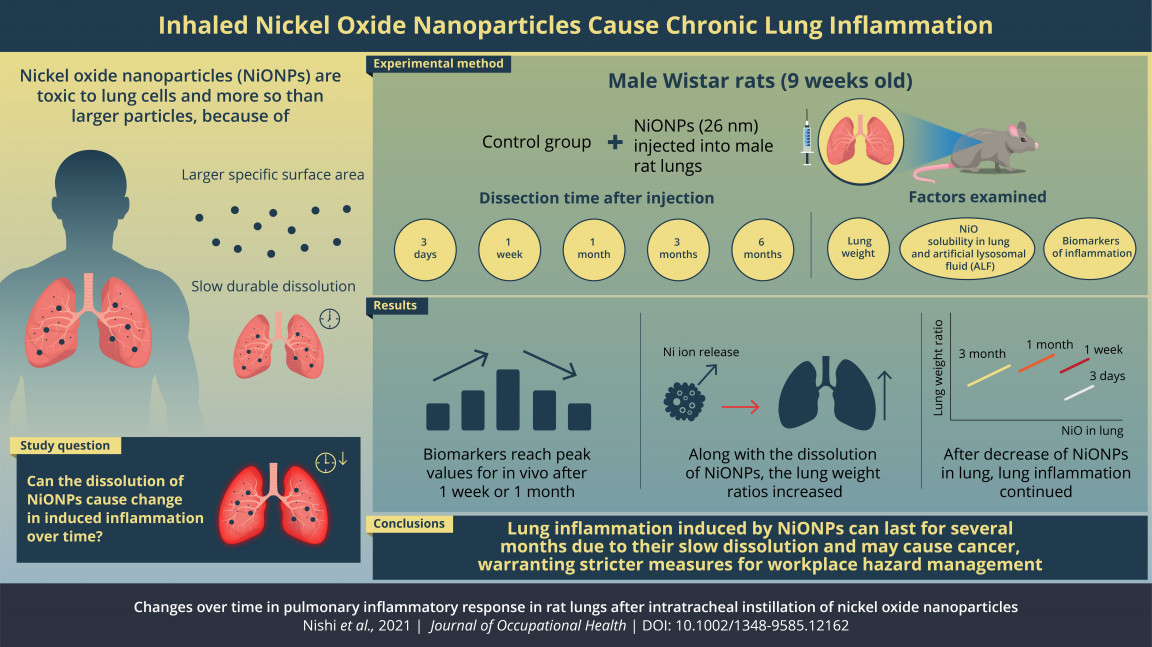
#0007 The Deleterious Health Effects of Nickel Oxide Nanoparticles

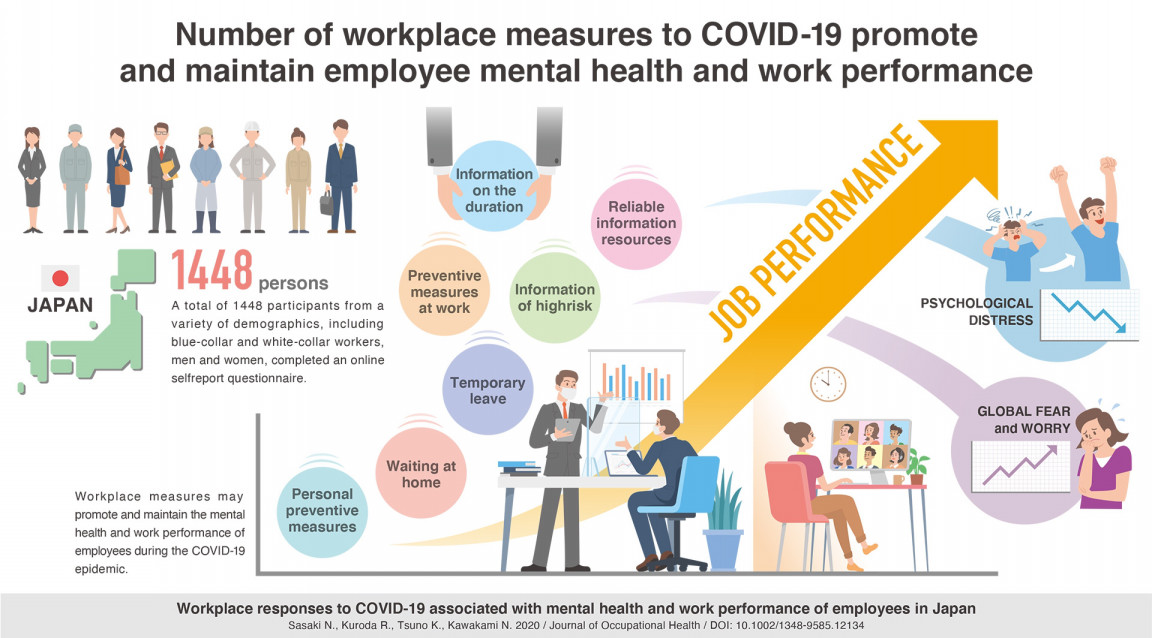
#0006 Workplace Responses and Employee Mental Health and Performance in the Time of COVID-19

#0004 Measuring the Measures of Sedentary Behavior: Are We Doing it Right?

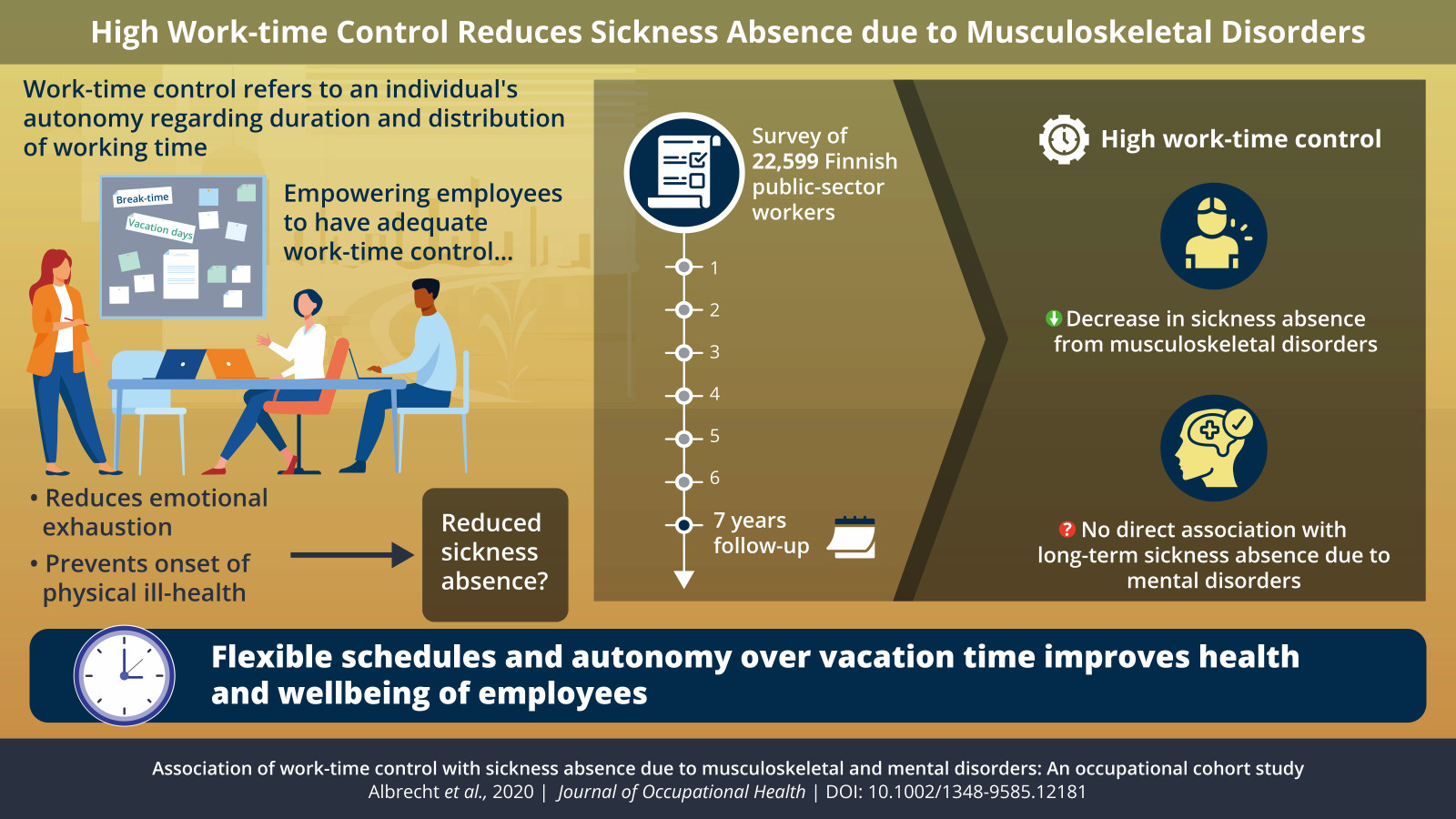
#0003 High Levels of Work-time Control Reduce Sickness Absence due to Musculoskeletal Disorders

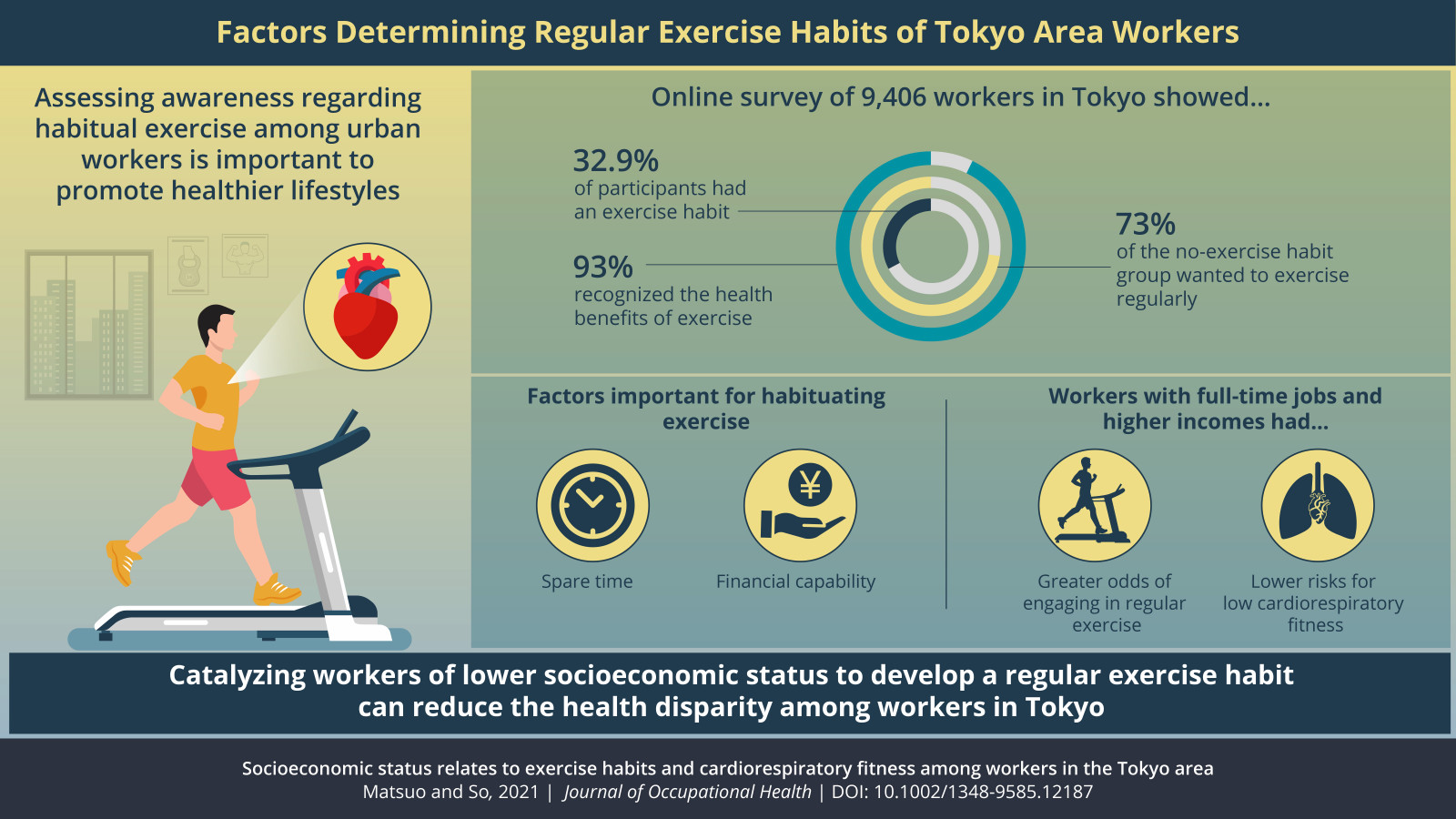
#0002 Sweating on a Dime: Socioeconomic Disparity Influences Habitual Exercising among Urban Workers in Tokyo

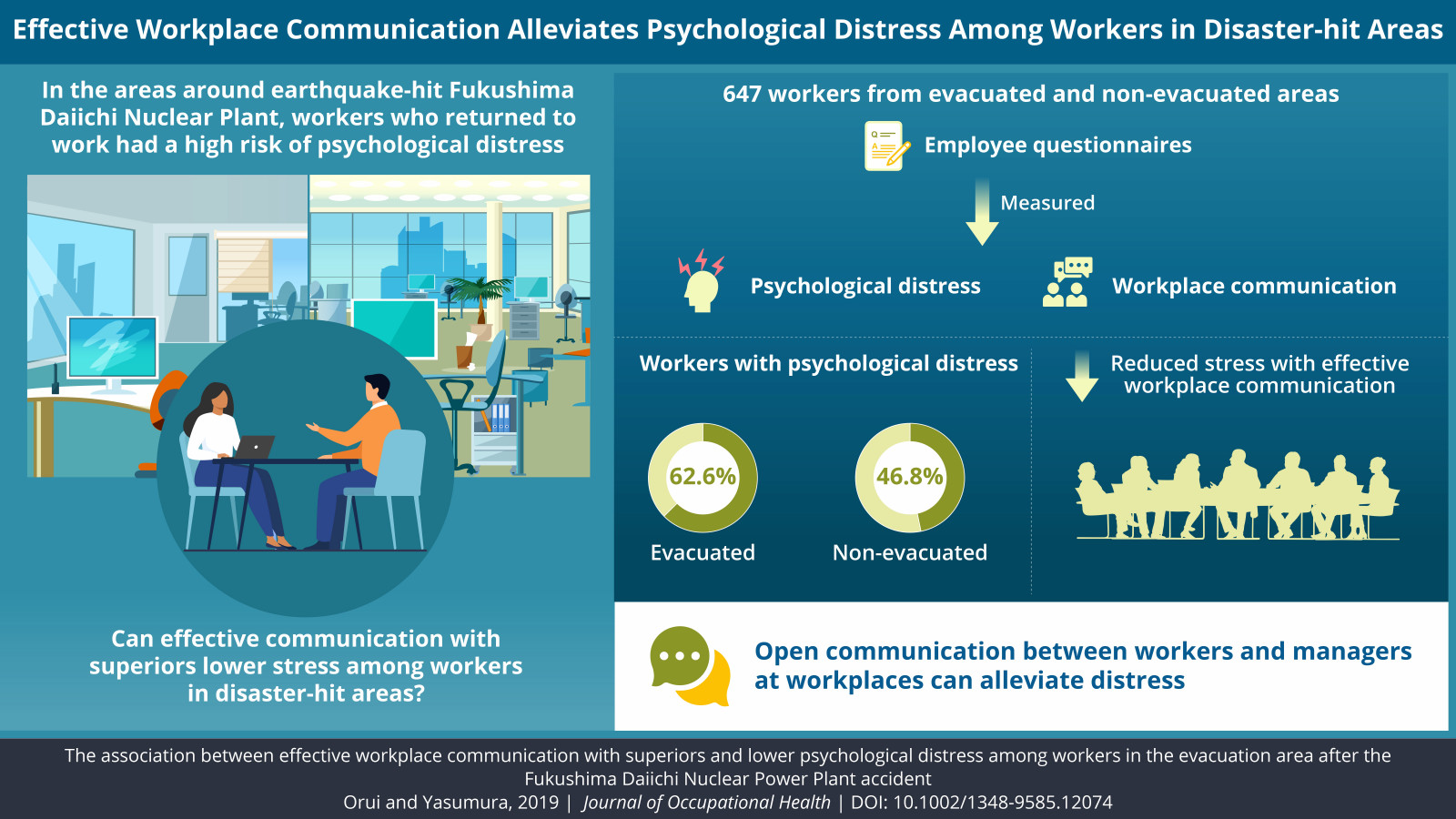
#0001 Effective Workplace Communication and Lower Psychological Distress after a Disaster